What To Know Before Starting Radial Shockwave Therapy in Winnipeg
Considering a new approach to persistent pain can be a big step, so it’s important to be fully informed before booking a treatment. At Total Rehabilitation and Sports Injuries Clinic in Winnipeg, our priority is ensuring every patient understands not just what radial shockwave therapy is, but whether it’s truly the right choice for their unique needs. Many people with chronic musculoskeletal issues are drawn to this innovative option after other methods have fallen short — but success relies on setting clear expectations and understanding the process from the beginning.
Radial shockwave therapy isn’t a “one size fits all” solution. It has specific indications and candidate requirements and can feel very different from other treatments you may have tried. Knowing what to prepare for and what to ask can mean the difference between disappointment and real progress.
In This Article:
- Who Should Consider Radial Shockwave Therapy?
- The Science and Process: What to Expect During Treatment
- Questions to Ask Before Booking
- Red Flags When Choosing a Provider
- Ready for Real Answers? Take the Next Step with Confidence
Who Should Consider Radial Shockwave Therapy?
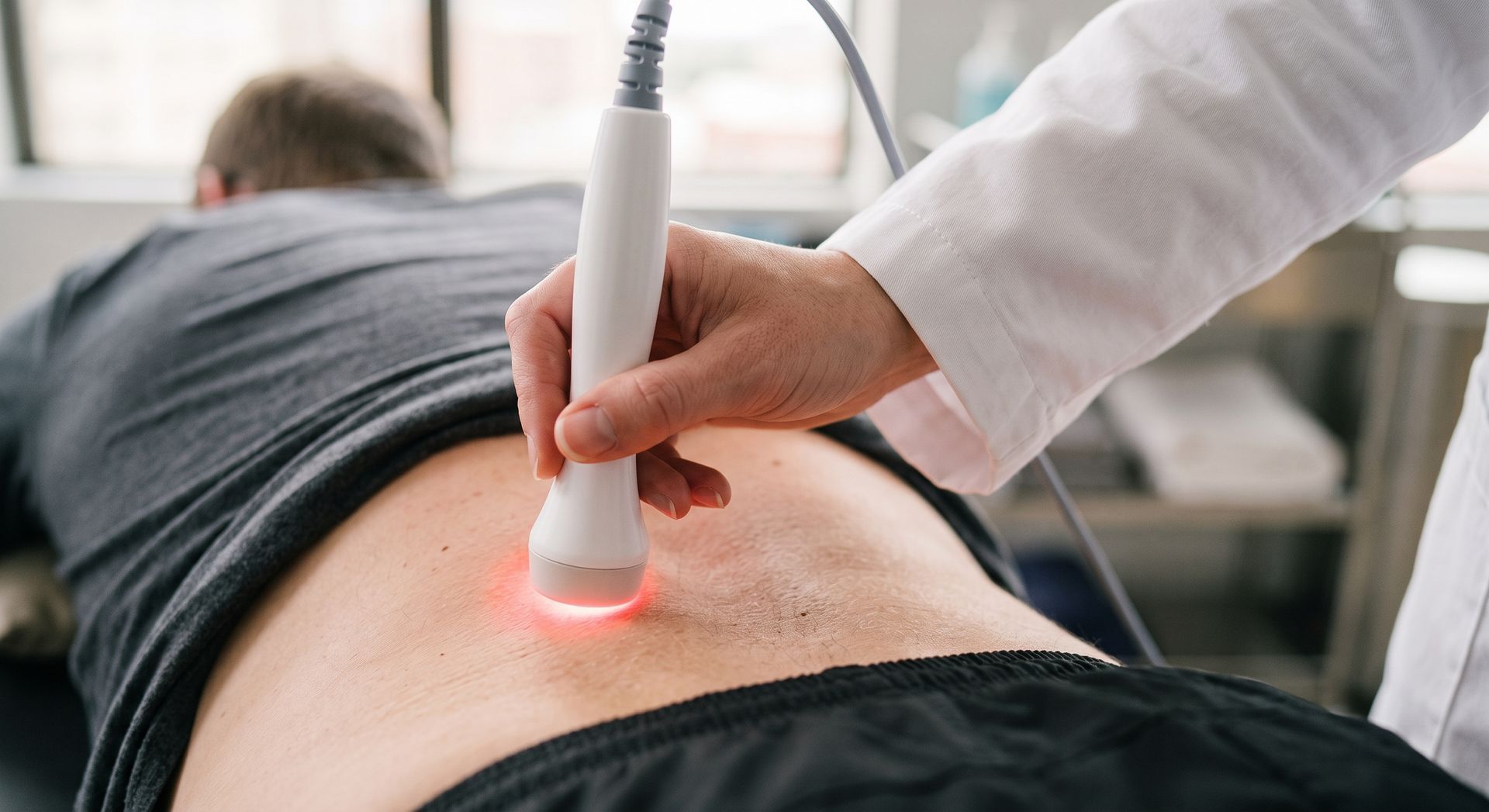
Radial shockwave therapy delivers high-energy acoustic waves to affected tissues, stimulating blood flow, breaking down stubborn scar tissue, and triggering the body’s healing processes. It’s best suited for people struggling with chronic issues such as plantar fasciitis, calcific tendonitis, or patellofemoral syndrome that have resisted traditional manual therapy, rest, or medication.
For Winnipeg residents with lingering joint or tendon pain after months of other therapies, shockwave is often most effective when paired with other physiotherapy services, such as therapeutic exercises or manual therapy. The key is an accurate diagnosis, since this treatment targets very specific tissue types and conditions.
The Science and Process: What to Expect During Treatment
Device-guided and non-invasive, each session lasts between 15 and 30 minutes. This approach intentionally stimulates controlled “microtrauma” to restart the healing cascade, so it’s expected to feel slightly uncomfortable — a sensation quite different from standard massages or passive modalities.
From an expert’s standpoint, some brief discomfort during treatment signals that the waves are interacting with affected tissue as intended, but pain dissipates post-session quickly. Most clients require three to six sessions spaced weekly for noticeable improvements, and many find that improvements continue several weeks after the full course ends.
→ A quick tip to remember: Shockwave is about rebooting chronic healing, not instantly erasing pain. Most clients require a series of treatments and must commit to tailored home exercises for optimal results.
Questions to Ask Before Booking
Being informed is essential when deciding on a new therapy. Ask your Winnipeg provider:
• Is my specific diagnosis supported by research for shockwave therapy?
• How many treatments are typical for my condition, and what should I expect regarding discomfort?
• Will this be combined with other modalities, or is it being used as a stand-alone treatment?
Clarifying these details ensures you’re not receiving unnecessary treatments and increases your confidence in both the technique and your provider.
Red Flags When Choosing a Provider
Quality and safety should drive your choice of provider. Watch for:
• Clinics promising instant, permanent cures with shockwave alone.
• Lack of a full clinical assessment or skipping diagnosis before booking your first session.
• No discussion about a full treatment plan or absence of advice on follow-up exercises.
A transparent clinic should always share the science, the realistic chances of improvement, and the importance of integrating shockwave therapy into a broader, individualized rehabilitation plan.
Who qualifies for shockwave therapy and what are the results?
Shockwave therapy works best for those with persistent tendon or soft tissue problems confirmed by a qualified physiotherapist. Not everyone with pain is a candidate; for example, acute injuries or non-chronic conditions may respond better to other interventions. In well-selected cases, Winnipeg patients can expect improvement in pain, function, and quality of life, though full results may take a few weeks to manifest after the final session.
Ready for Real Answers? Take the Next Step with Confidence
With any advanced treatment, the best results come from clear information and expert guidance. Total Rehabilitation and Sports Injuries Clinic is here to walk you through each step, so you can make the most informed, empowered decision for your pain management in Winnipeg. Get in touch to find out if shockwave therapy, guided by our experienced clinicians, is the right solution for you.
Share This Blog