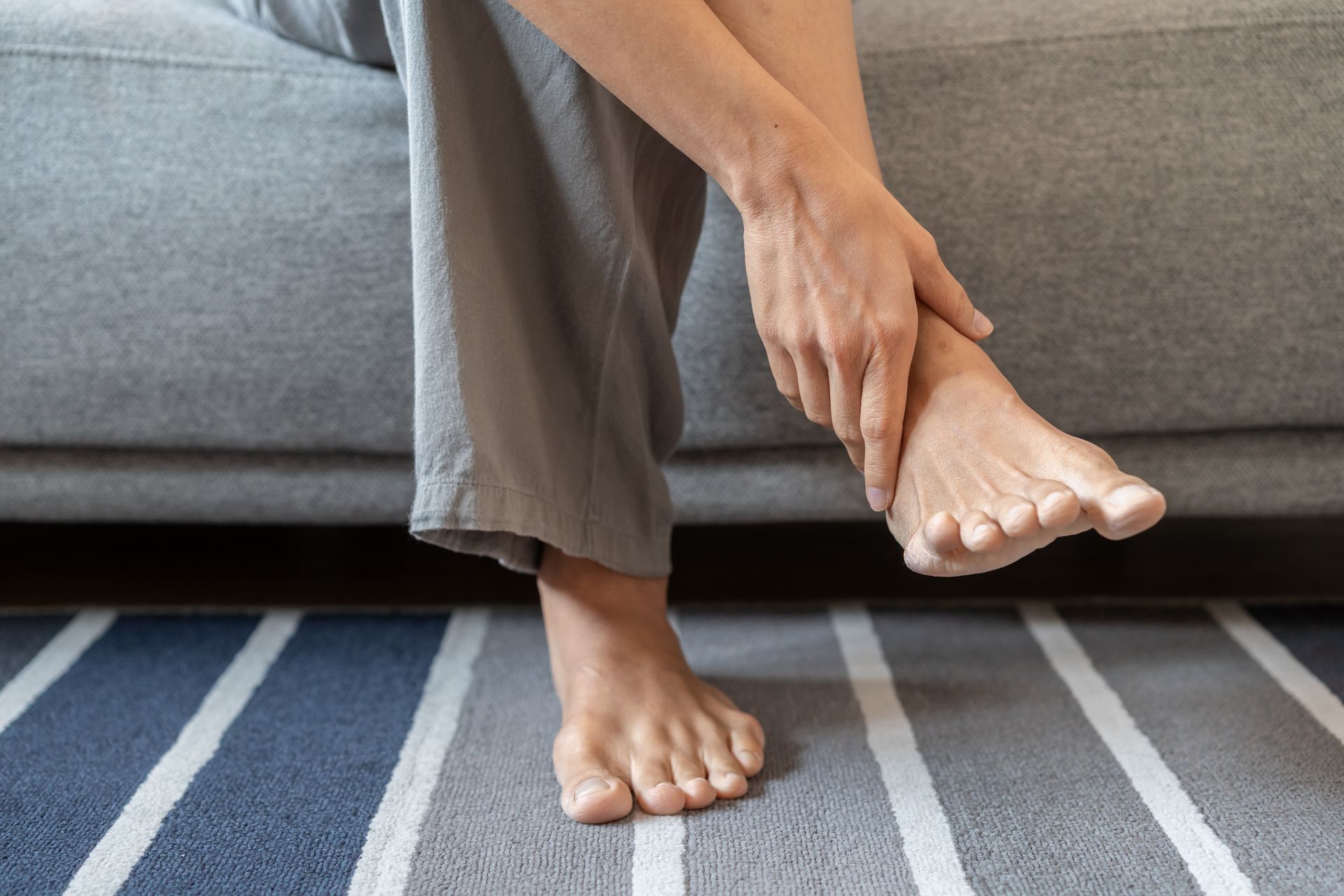
5 Essential Tips for a Faster Recovery After Sports Injuries
For athletes and active individuals in Winnipeg, a sports injury can be both frustrating and disruptive, often putting routines and goals on hold. At Total Rehabilitation and Sports Injuries Clinic, we understand how setbacks can weigh heavily, especially when you’re eager to get back to sport, work, or simply moving comfortably. Our mission is to give you reliable, actionable strategies so you can heal smarter, not harder.
Speedy recovery isn’t just about rest. It’s about making the right choices at each stage, guided by solid clinical experience and knowledge of how injuries behave in real-world settings. With so much conflicting information online, it’s easy to make mistakes that actually delay healing. Knowing what works — and what doesn’t — is the key to getting back to your best.
What We Cover:
- Tip #1: Don’t Rush the Healing Process
- Tip #2: Trust the Right Ice and Heat Strategies
- Tip #3: Prioritize Early, Gentle Movement
- Tip #4: Lean on Expert Therapies for Faster Progress
- Tip #5: Watch for Signs That Need Pro Attention
- Frequently Asked Questions
Tip #1: Don’t Rush the Healing Process
Every injury has its own natural pace for recovery, shaped by your body, the specific tissues involved, and the activity you were doing. Impatience is understandable, but skipping steps usually leads to setbacks.
• Timely Rest: Ensure the injured area has time to recover from acute trauma before testing its limits.
• Gradual Reintegration: Don’t return to sport or demanding activity too soon — early re-injury is common.
• Listen to Your Body: Discomfort and swelling are cues that you’re pushing too hard.
Tip #2: Trust the Right Ice and Heat Strategies
Not all sports injuries need the same approach. At Total Rehabilitation and Sports Injuries Clinic, we see confusion over when to use ice or heat, which can affect recovery speed.
• Fresh Injuries: Use ice to reduce swelling and pain in the first 48 hours.
• Chronic Stiffness: Heat can help loosen tight, healing tissues after the initial phase.
• Know When to Switch: If swelling persists, continuing ice may help; if stiffness dominates, heat might be more appropriate.
Tip #3: Prioritize Early, Gentle Movement
Immobilizing a body part for too long can weaken muscles and stiffen joints. While rest is important, inactive recovery is now considered outdated — a fact well-supported by physiotherapy science.
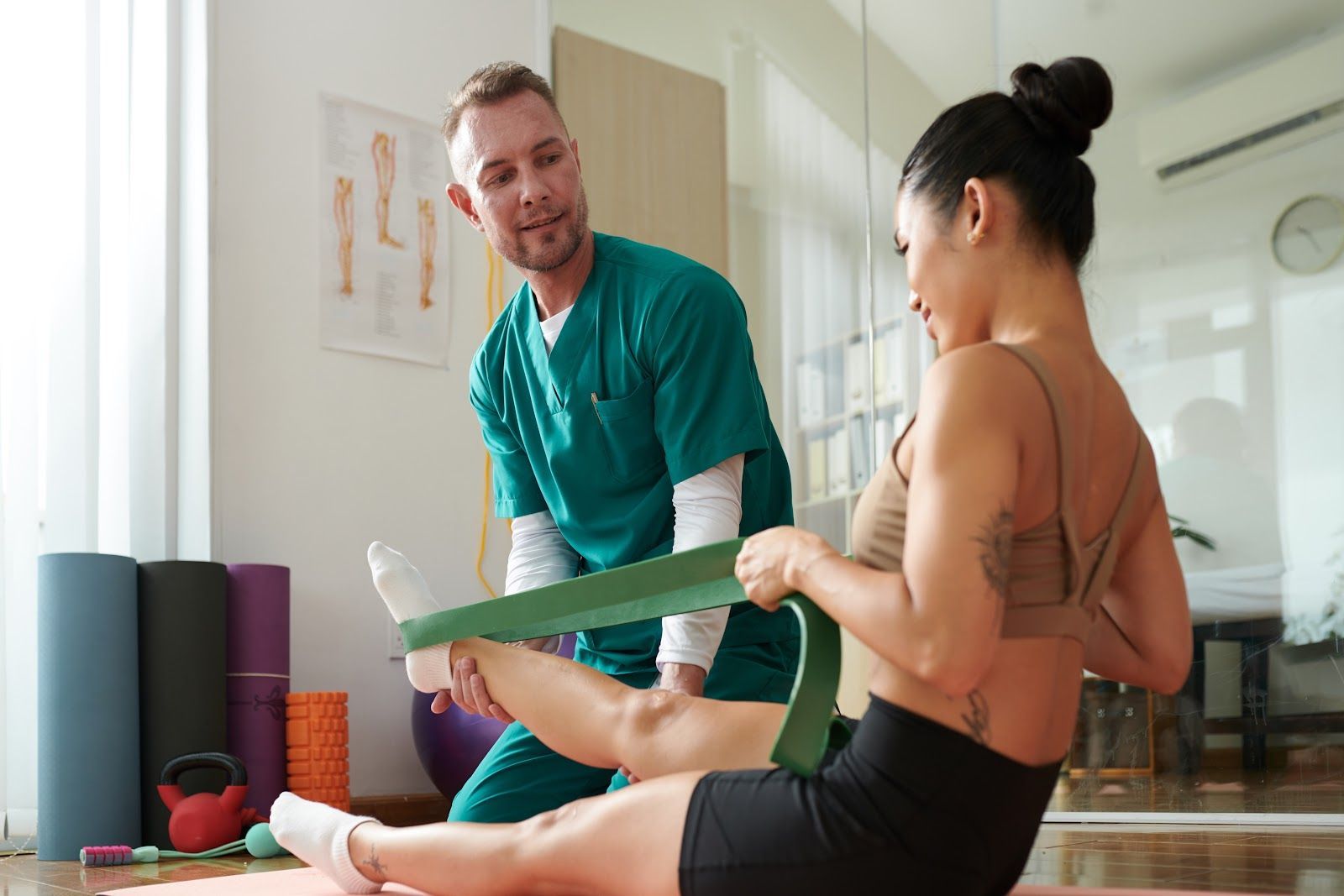
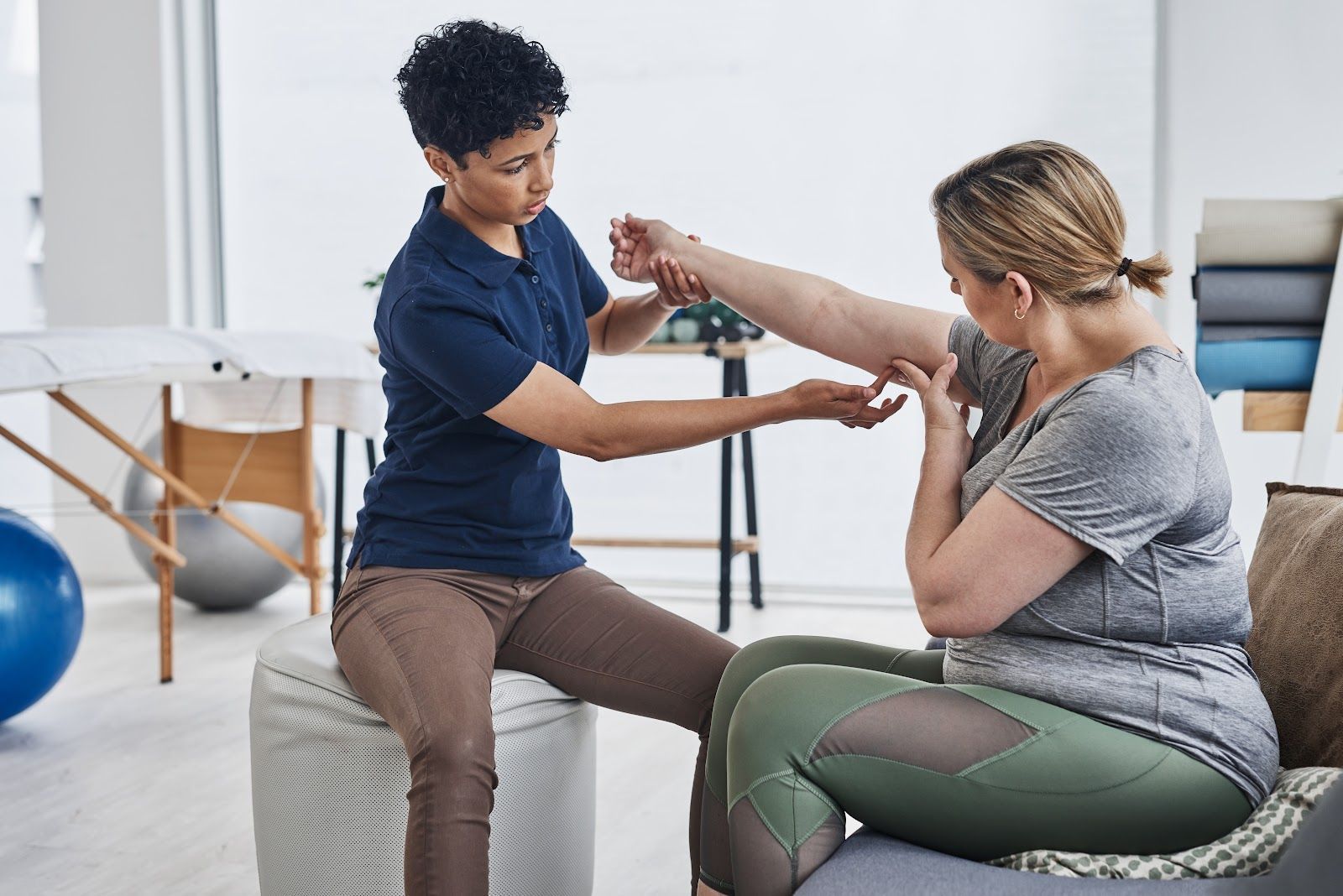
• Guided Range of Motion: With professional advice, gently move the injured area within pain-free limits.
• Safe Loading: Gradual weight-bearing increases tissue strength.
• Avoid Overprotection: Completely babying the injury may slow the return to normal activity.
Tip #4: Lean on Expert Therapies for Faster Progress
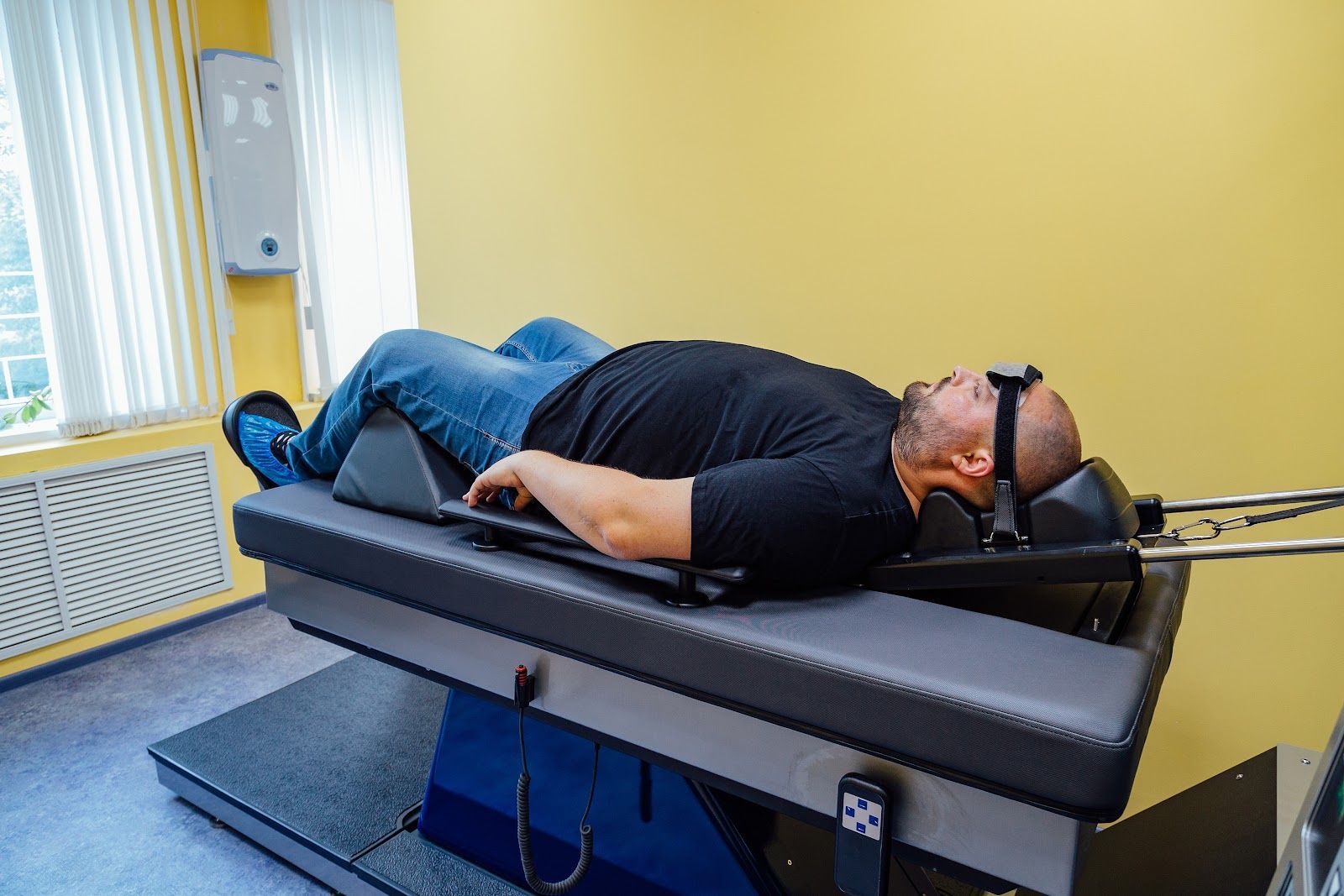
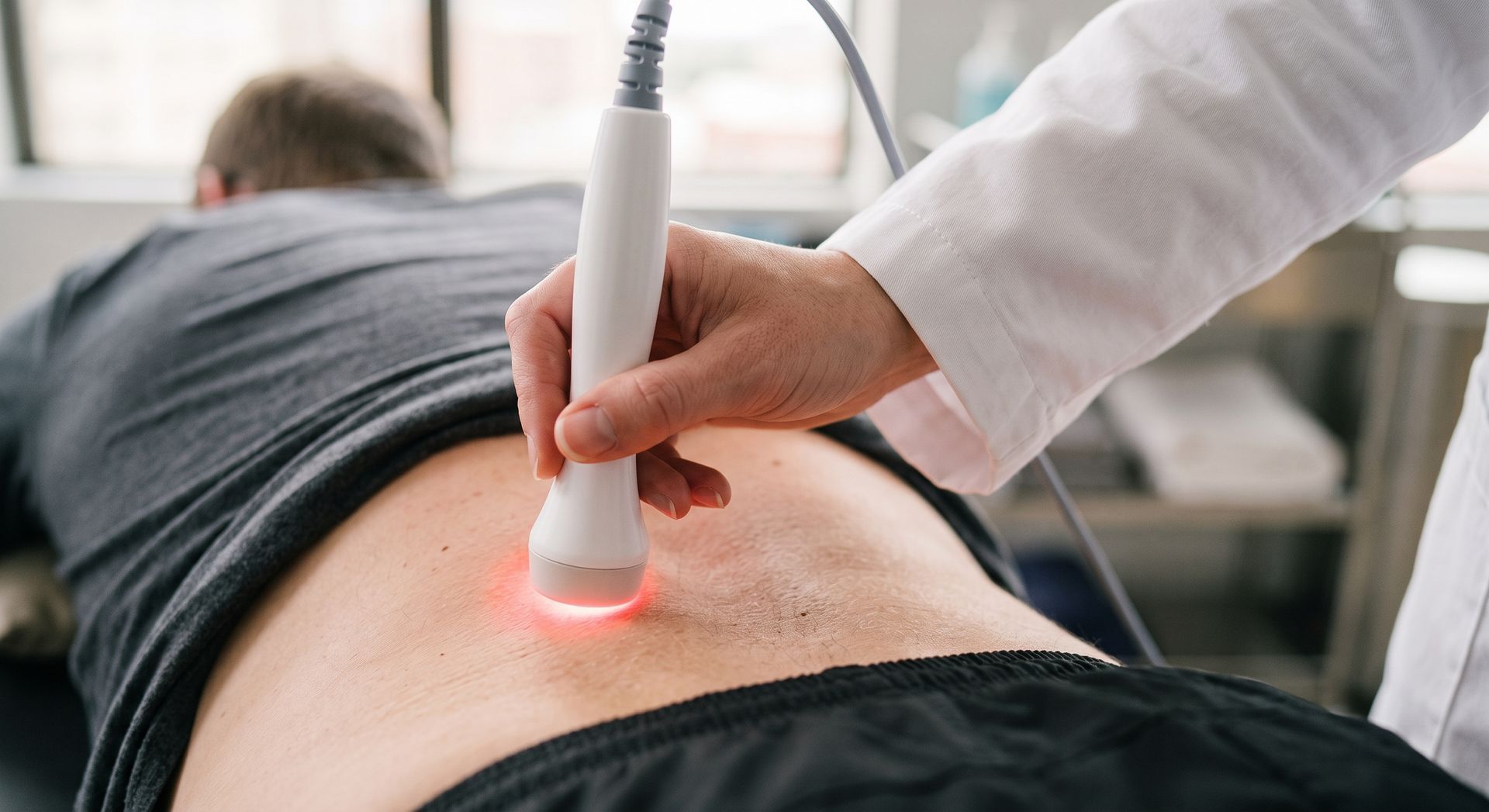
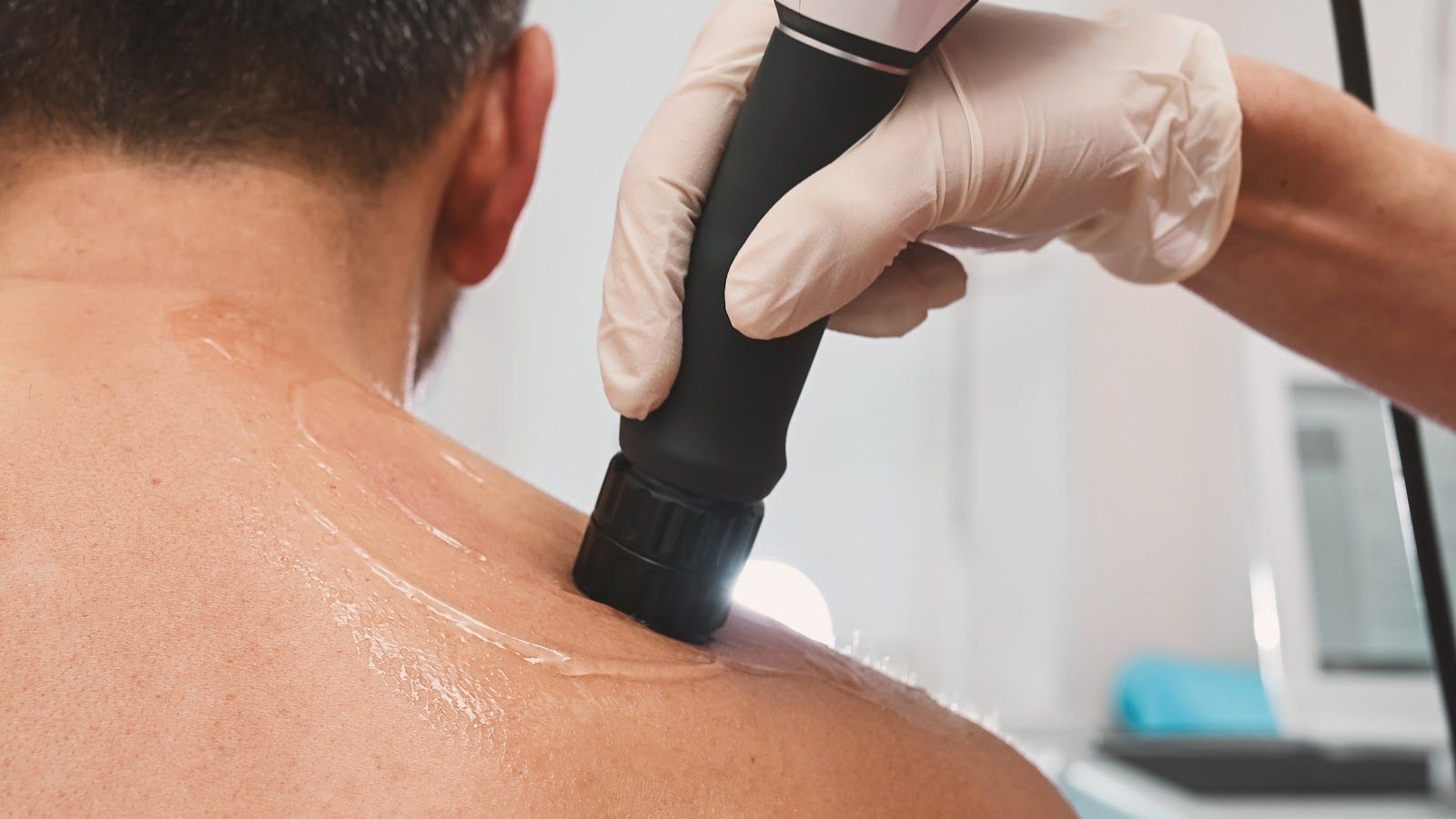
With today’s advances, modalities like cold laser, radial shockwave therapy, and personalized rehabilitation programs can reduce healing time and prevent chronic issues from developing. Our Winnipeg clinicians are trained to identify which therapies will actually make a difference for your injury.
• Targeted Modalities: Not all therapies suit every condition — trust proven treatments recommended by genuine experts.
• Individualized Exercise: A rehab program tailored to your specific sport or activity leads to safer, more durable recovery.
• Ongoing Assessment: Monitoring progress prevents progressing too quickly, which is a common cause of re-injury.
Tip #5: Watch for Signs That Need Pro Attention
Unchecked pain, severe swelling, or loss of function signals your body’s need for further clinical input. Ignoring red flags can turn a minor injury into a chronic issue.
• Persistent Symptoms: Don’t push through pain that lingers or worsens.
• Instability: If something “feels off,” skip home treatment and seek proper assessment.
• Recurring Injuries: Repeated injury to the same area shows underlying issues that need expert guidance.
Frequently Asked Questions
What should I avoid during the early phase of sports injury recovery?
Avoid loading or stressing the injured tissue, using heat on acute injuries, or trying to “work through” pain. Early mistakes like these can extend inflammation, worsen the injury, or lead to poor healing alignment that takes much longer to fix later.
How soon can I return to physical activity after an injury?
Recovery timelines are highly variable and depend on your injury type, severity, and initial management. The best course is to follow a graduated return guided by experienced physiotherapists, who will assess strength, flexibility, and function before clearing you to resume activity. The return often should be slower than you think to avoid setbacks.
Are there therapies that can speed up sports injury recovery?
Yes — technologies such as cold laser, shockwave therapy, and individualized rehabilitation exercises are supported by clinical research for promoting faster tissue healing and a safe, structured return to activity. The key is making sure these therapies are chosen based on your unique needs and not simply adopted from generic advice.
Setbacks Don’t Need to Last: Start Recovery the Right Way
Every step you take informs your recovery outcome. Let the experts at Total Rehabilitation and Sports Injuries Clinic in Winnipeg help you cut through the noise and set up a smart, safe plan for your specific injury. Timely, informed choices today are the biggest investment in getting you back on track tomorrow.
Share This Blog