Cold Laser Therapy in Winnipeg: What Results to Realistically Expect
Curiosity about new therapies is natural for anyone seeking relief from pain or injury, especially when standard approaches have failed. At Total Rehabilitation and Sports Injuries Clinic in Winnipeg, cold laser therapy is offered as a non-invasive modality designed to support healing and reduce pain — but there are key truths every patient should know before investing hope in this technology.
Cold laser therapy, or low-level laser therapy (LLLT), is effective for select conditions but shouldn’t be seen as a one-step cure. As the understanding of therapeutic lasers grows, so does the need for honesty about what results a patient can anticipate — and what factors play into the real-life effectiveness of this approach.
In This Article:
- What Does Cold Laser Therapy Actually Do?
- What Timelines Should You Expect for Results?
- The Right Fit: When Cold Laser Works — And When It Doesn’t
- Frequently Asked Questions
What Does Cold Laser Therapy Actually Do?
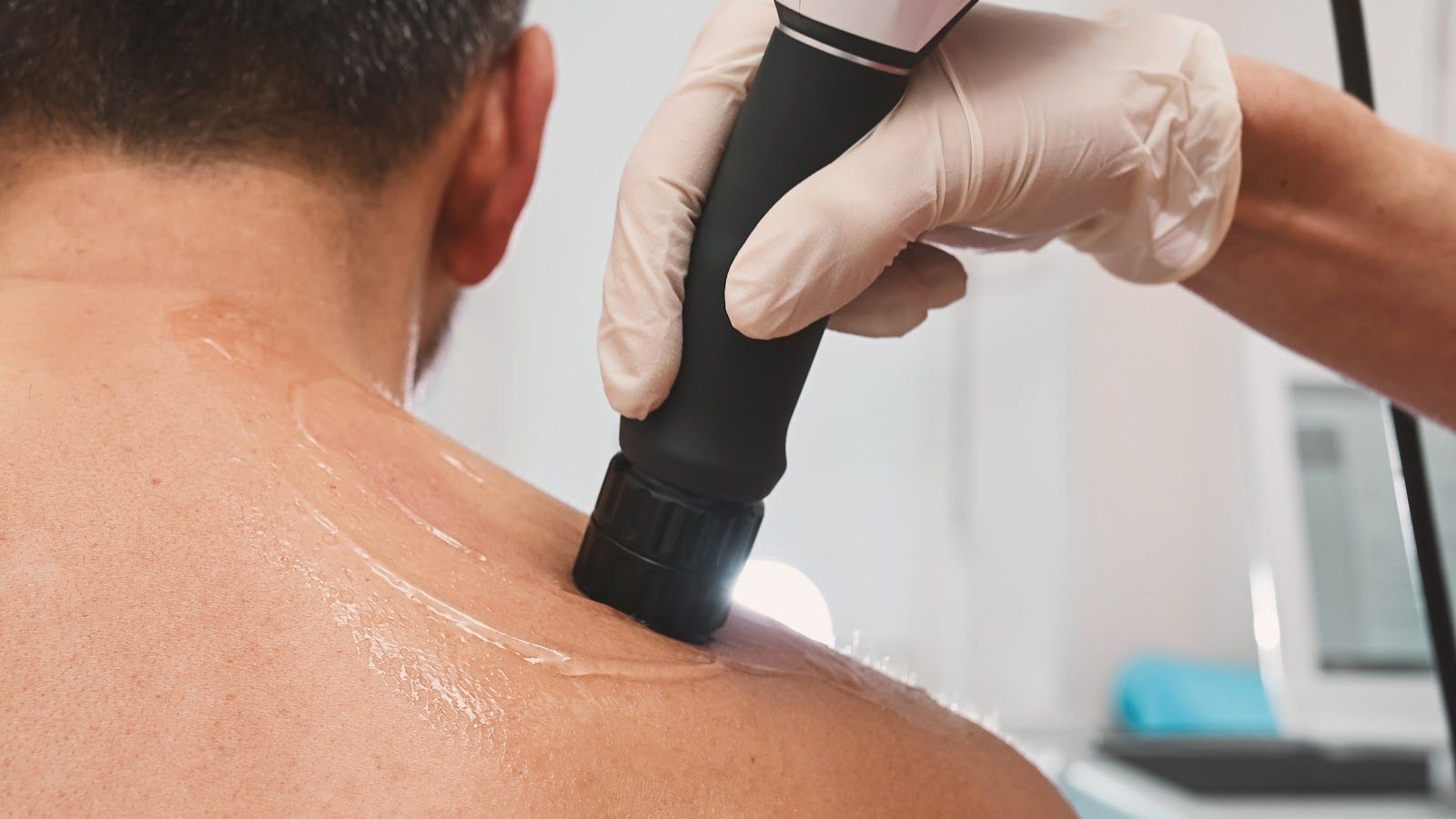
Cold laser therapy uses focused light energy to stimulate cellular repair, reduce inflammation, and encourage tissue healing without the discomfort or downtime of surgery. It is especially suitable for persistent sports injuries, tendonopathies, and inflammatory issues like arthritis. In Winnipeg, patients value this non-invasive solution because it allows for a swift return to activity without the risks of sedation or pharmaceuticals.
→ From a professional standpoint: Cold laser therapy is a valuable adjunct, not a replacement for movement or strengthening — it works best within a structured rehabilitation plan.
What Timelines Should You Expect for Results?
Improvements can be subtle at first. Most people notice less pain and swelling after three to six sessions — usually spread over several weeks. Full benefits typically continue to build for weeks beyond the last session as the body completes the healing process.
Often, expectations are shaped by overly optimistic marketing. Results depend on several personal factors: the chronicity of the injury, individual variations in healing, and the presence of ongoing aggravating factors.
→ Key takeaway: Patience and consistency matter. Cold laser therapy brings gradual returns for chronic issues and is rarely a zero-to-sixty fix.
The Right Fit: When Cold Laser Works — And When It Doesn’t
Cold laser is not universally effective for all pain or injury conditions. It works best for soft tissue healing and inflammation, and much less so for deep ligament tears, severe acute injuries, or systemic pain problems. The best results at our Winnipeg clinic are seen when cold laser is paired with therapeutic exercise, manual therapy, or even modalities like shockwave therapy for stubborn cases.
Not every patient is the right candidate. A careful professional assessment is vital so that time and resources aren’t wasted on unlikely fix scenarios.
Frequently Asked Questions
How soon might I notice results from cold laser therapy?
Some individuals feel reduced pain or swelling within a couple of sessions, but the majority see measurable improvement after several consistent treatments. It’s normal for changes to be gradual, as improved tissue health develops over time with repeated laser exposure and correct physical therapy.
Are there conditions for which LLLT is less effective?
Yes, cold laser provides limited benefit for conditions involving serious structural damage (such as full-thickness ligament tears), some nerve injuries, or non-musculoskeletal pain. It's best used for chronic tendon and muscle issues, minor joint inflammation, and healing stubborn post-injury inflammation that hasn't responded to other therapies.
Is cold laser therapy covered by insurance?
Coverage varies, but many major insurance plans in Winnipeg now recognize cold laser therapy as part of a physiotherapy or rehabilitation program. It’s worth checking with your provider and confirming with your clinic before starting treatment to avoid surprises.
Make Each Step Count: Honest Progress With Cold Laser Therapy
A gradual path to recovery can feel discouraging when you’re eager to heal, but realistic expectations are the foundation for lasting success. If you’re curious whether cold laser therapy should be part of your plan, Total Rehabilitation and Sports Injuries Clinic can offer a fully personalized, honest consultation — so you can feel confident about every step you take toward better health.
Share This Blog