Get a Head Start on Winter: Is Personal Training Right for Your Routine?
The transition from fall to winter in Winnipeg brings unique challenges for staying active and motivated. At Total Rehabilitation and Sports Injuries Clinic, many clients begin weighing the value of personal training as the season changes—a decision that can make a difference in how fitness routines hold up during shorter days and cold weather. Starting early isn’t just about staying “on track”; it’s about preparing your body and mind for the barriers winter brings.
We hear a lot from clients who put off personal training until the snow starts falling, only to find it’s harder to start—and stick with—new habits once routines are disrupted. Planning personal training now means you start winter with structure, support, and a strategy tailored to local realities.
What We Cover:
- Stage 1: Assess Your Winter Fitness Needs
- Stage 2: Schedule Early, Reap the Rewards
- Stage 3: Protect Your Routine (and Your Results)
- Frequently Asked Questions
Stage 1: Assess Your Winter Fitness Needs
Preparing for Winnipeg’s winter means thinking about your fitness from both a practical and clinical angle.
• Review Current Routines: Make note of activities that may not be realistic indoors.
• Identify Barriers: List the main challenges you anticipate (e.g., motivation, space, or equipment).
• Pinpoint Weaknesses: Ask a professional to help identify mobility, balance, or endurance challenges that winter could expose.
• Set Targeted Goals: Map out clear, specific goals for the season—think function, strength, and schedule.
► Most important urgency fact: The sooner you map out your fitness needs, the more likely you are to stick to winter-friendly routines when outdoor options fade.
Stage 2: Schedule Early, Reap the Rewards
Booking personal training before winter hits is the best way to avoid the seasonal rush and build accountability into your routine.
• Research Local Trainers: Choose a Winnipeg-based professional with clinical experience to manage injury risk.
• Set a Calendar: Commit to specific days and times to reduce rescheduling temptations.
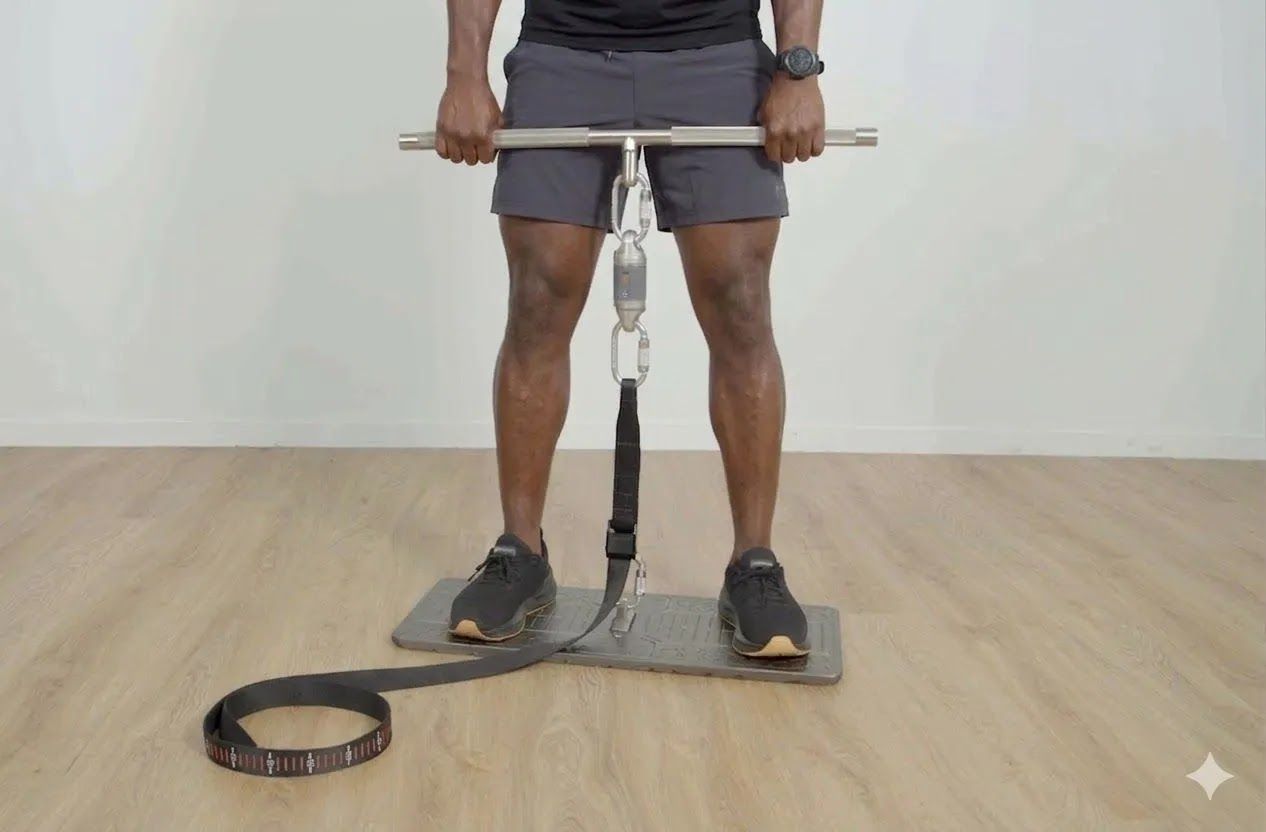
• Prioritize Indoor Programs: Book sessions that utilize clinic space and safe equipment.
• Get a Baseline Assessment: With support from Total Rehabilitation and Sports Injuries Clinic, you’ll receive individualized feedback long before common cold-weather injuries occur.
→ A quick tip to remember: The earliest bookings often have the widest choice of time slots and the easiest adjustment period.
Stage 3: Protect Your Routine (and Your Results)
Once winter arrives, your challenge shifts to maintaining commitment and making use of professional guidance.
• Monitor Consistency: Use a tracking sheet or app to document sessions and progress.
• Adapt as Needed: Modify routines to respond to evolving fitness and lifestyle demands.
• Stay in Contact: Schedule regular check-ins, even if you feel motivated and strong.
• Build Community: Join group classes or virtual sessions through your local Winnipeg clinic for added support.
→ From a professional standpoint: Protecting your progress requires flexibility—your routine should change with your life and the demands of each winter.
Frequently Asked Questions
When is the best time to start a personal training program?
The optimal time to begin is in the weeks leading up to a significant schedule or season change, such as the onset of Winnipeg’s winter months. This preemptive start allows your trainer to gradually introduce new exercises, monitor your baseline, and create an action plan before habits are disrupted.
How is personal training personalized for wintertime goals?
A professional trainer will adapt your plan to indoor environments, address seasonal motivation dips, and tailor exercises for joint health and injury prevention during colder weather. At Total Rehabilitation and Sports Injuries Clinic, each routine is informed by a clinical understanding of local seasonal demands, making long-term adherence more manageable.
Can training indoors replace outdoor activity through winter?
Indoor training with a physiotherapy-informed approach compensates for many of the benefits lost when you can’t access outdoor sessions. Focus shifts to strength, flexibility, balance, and cardiovascular health—all monitored closely to maintain fitness levels until outdoor options return in spring.
Make Winter Fitness Work for You
Taking initiative now is the best way to avoid the pitfalls of “waiting until it’s too late.” When you start with a clear plan and Winnipeg-based professional support, winter fitness not only feels possible but enjoyable and effective. If you’re ready to prepare your routine, connect with a team that understands both the clinical and practical demands of our local climate.
Share This Blog