Work Hardening Programs in Winnipeg: Who Really Gets Results?
Returning to work after an injury is a major milestone, but the path is rarely straightforward. At Total Rehabilitation and Sports Injuries Clinic, our Winnipeg team meets many individuals wondering if work hardening programs are truly as effective as they sound. The honest answer: these programs can deliver measurable improvements, but only when the right conditions and expectations are in place.
Understanding the true scope of work hardening is essential before starting. For the right candidate, structured conditioning can help bridge the gap between injury and safe return to meaningful work. But it’s not a one-size-fits-all solution, and results depend on several factors beyond just effort in the gym.
What We Cover:
- The Realistic Outcomes You Can Expect
- What Influences Success in Work Hardening Programs
- How Long Does a Typical Work Hardening Program Take?
- Frequently Asked Questions
The Realistic Outcomes You Can Expect
Work hardening is a specialized, goal-driven process designed for those recovering from injuries that have disrupted their ability to perform work duties. In Winnipeg, it’s often used to support individuals returning to physically demanding jobs or transitioning back after lengthy absences.
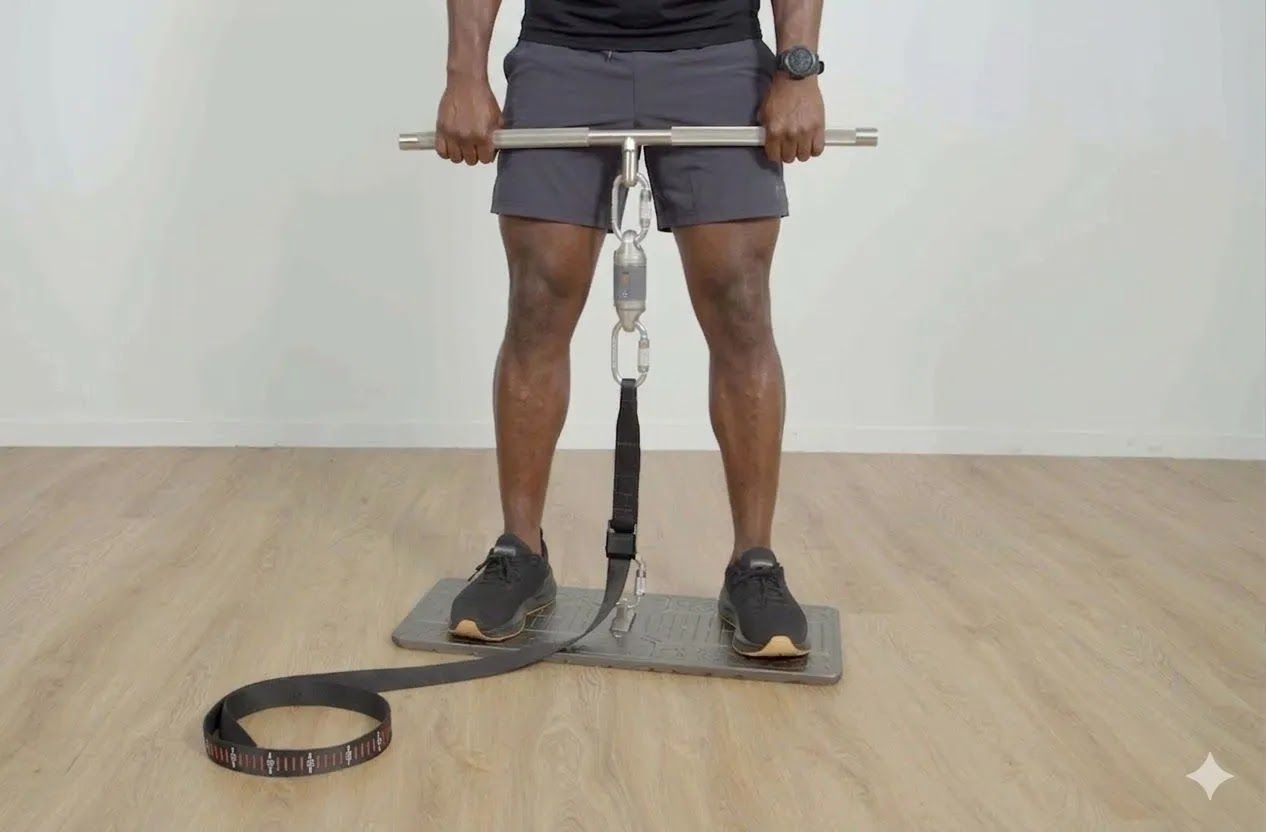
Realistically, work hardening won’t make you “better than before” overnight—and it can’t guarantee complete symptom relief for every injury. What you should expect are practical gains in strength, endurance, and functional job skills. Many clients notice increased resilience to job-specific tasks, reduced pain with routine movements, and a boost in overall workplace readiness.
→ Expect gradual improvement: With consistent participation, gains are steady but rarely dramatic in the early stages.
What Influences Success in Work Hardening Programs
Not all work hardening journeys look the same. Success often depends on the type and severity of injury, pre-program physical condition, and, most importantly, active engagement from the client. In addition to physical rehabilitation, factors such as realistic goal-setting, workplace cooperation, and attention to ergonomics play a major role.
Clients who communicate openly with their therapists—about wins and setbacks alike—tend to achieve safer and more sustainable outcomes. At Total Rehabilitation and Sports Injuries Clinic, we tailor programs to meet each client’s job requirements and personal challenges, using regular assessments and close support to track and adapt progress.
→ Collaboration counts: A strong therapist-client partnership leads to better, longer-lasting results in real work settings.
How Long Does a Typical Work Hardening Program Take?
One of the most common questions we hear in Winnipeg is about the timeline for work hardening success. Typically, programs last anywhere from 4 to 8 weeks, with frequency and duration customized by both injury demands and job requirements.
Sessions may start intensively with 2-5 visits per week, gradually evolving as functional tolerance improves. Clear benchmarks are set to help you and your employer know when you’re truly ready to resume full duties. The focus is always on safety—rushing back too soon can compromise results and risk re-injury.
→ A quick tip to remember: Follow-up appointments after program completion are key for ensuring long-term job performance and identifying any issues early.
Frequently Asked Questions
What kinds of injuries are suited to work hardening?
Work hardening is most effective for musculoskeletal injuries, such as back strains, repetitive motion injuries, or workplace sprains, that have already passed the acute healing stage. It is less ideal for cases where medical instability or unresolved pain persists, as these require additional intervention before rigorous activity. Proper assessment helps determine if you’re a fit candidate.
Can work hardening prevent future workplace injuries?
Yes, when implemented correctly. The program emphasizes building resilience through progressive overload, simulating real job conditions, and educating on ergonomics. These strategies not only foster current recovery but also teach movement patterns and coping techniques that lower future injury risk—a benefit frequently overlooked in standard post-injury rehab.
Take the Next Step with Honest Expectations
Finishing a work hardening program can be both a relief and a new beginning. By understanding what’s truly possible and staying engaged with your team, you set the stage for a more confident and capable return to work. When it’s time to consider your own recovery path, Total Rehabilitation and Sports Injuries Clinic is here with honest guidance and a clear, science-based approach.
Share This Blog