Benefits of Isometric Exercise After an Injury
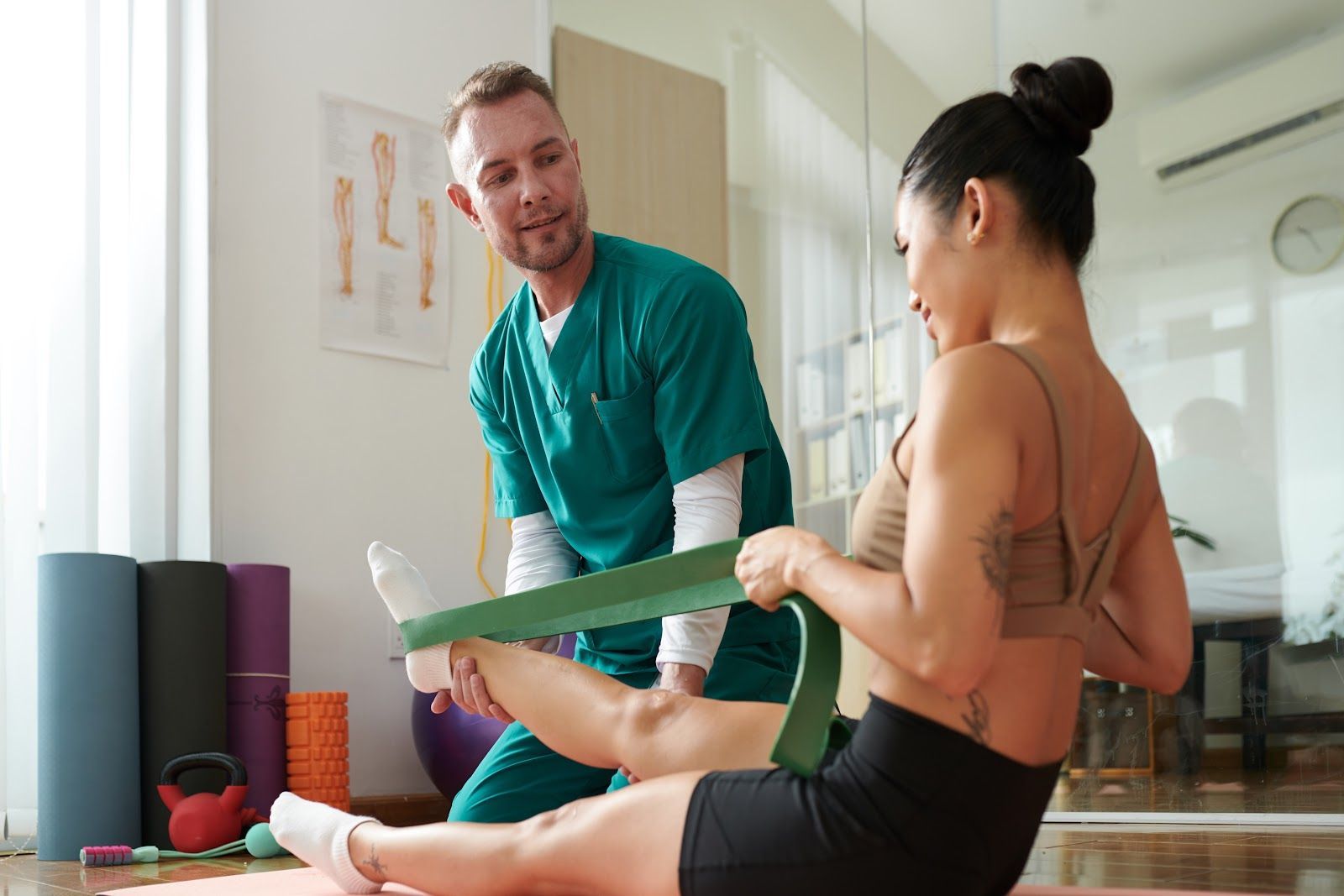
Injuries can disrupt your active lifestyle, especially with Winnipeg’s warm summer months finally in full swing. Whether you’re keen to return to summer sports, gardening, or simply want to resume pain-free daily activities, isometric exercise offers a gentle yet effective tool for safe recovery. At Total Rehabilitation and Sports Injuries Clinic, we’ve seen firsthand how incorporating isometric exercises accelerates healing, reduces pain, and helps clients across Winnipeg regain mobility.
What Are Isometric Exercises?
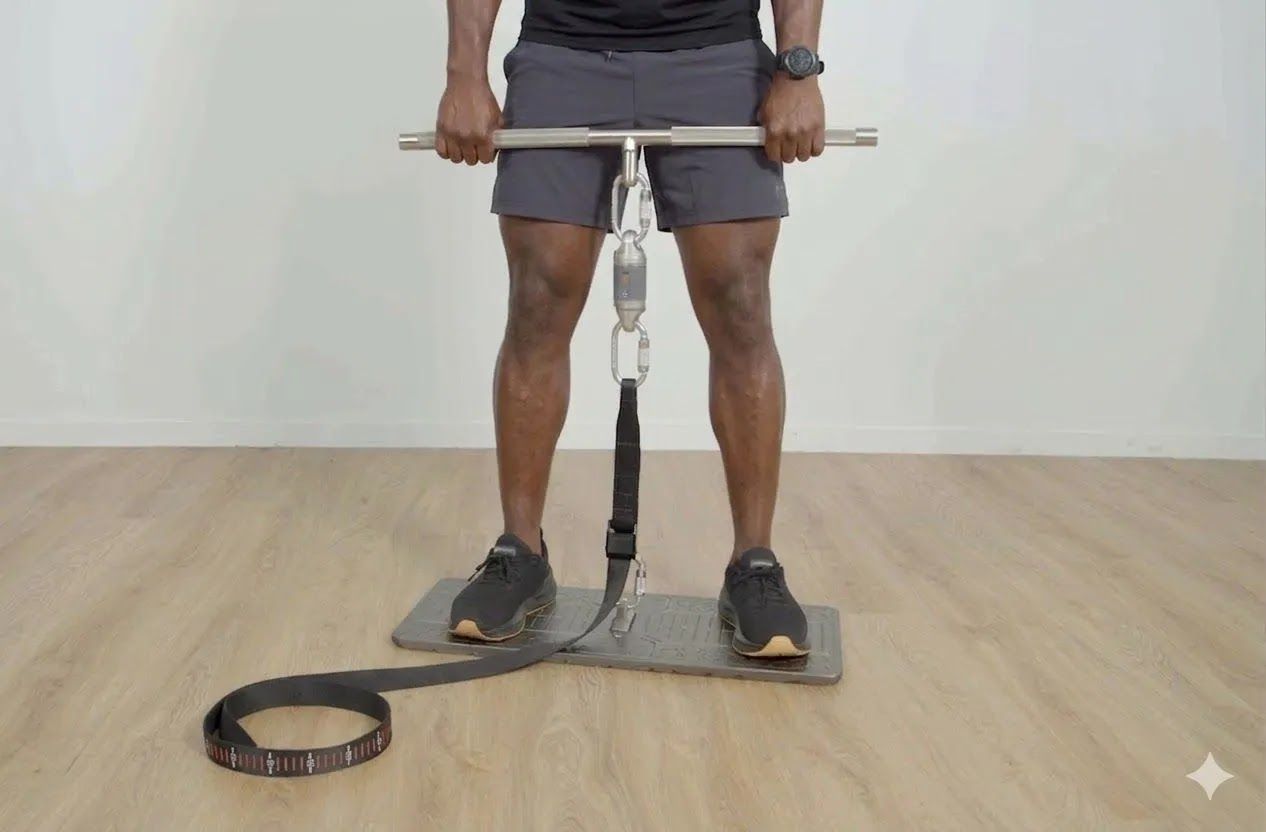
Isometric exercises involve contracting a muscle or group of muscles without moving the surrounding joints. Unlike dynamic exercises that require motion, such as squats or lunges, isometric exercises keep your body still while your muscles are hard at work. Common examples include planks, wall sits, or pressing your palms together in front of your chest.
Why Choose Isometric Exercise for Injury Recovery?
Choosing the right rehabilitation exercises after an injury matters. Isometric exercises are especially valuable for those who may not yet be ready for high-impact or full-range movement. They provide numerous benefits, such as:
- Reduced joint stress: Since there is no movement involved, these exercises limit strain on healing tissues or sensitive joints.
- Pain management: Isometric contractions can help modulate pain without aggravating the injury.
- Early muscle engagement: You can safely activate and maintain muscle strength when dynamic exercise is not yet possible.
- Improved circulation: Sustained muscle contractions promote healthy blood flow, speeding up tissue repair.
How Do Isometric Exercises Promote Healing?
One of the most common questions our Winnipeg clients ask is: “Are isometric exercises good for injury recovery?” In fact, research shows that isometric exercises can help minimize muscle atrophy, enhance stabilization, and offer a foundation for later dynamic rehabilitation. By strengthening muscles surrounding the injured area, you lay the groundwork for restoring functional movement and overall mobility enhancement.
When Should You Start Isometric Exercises After an Injury?
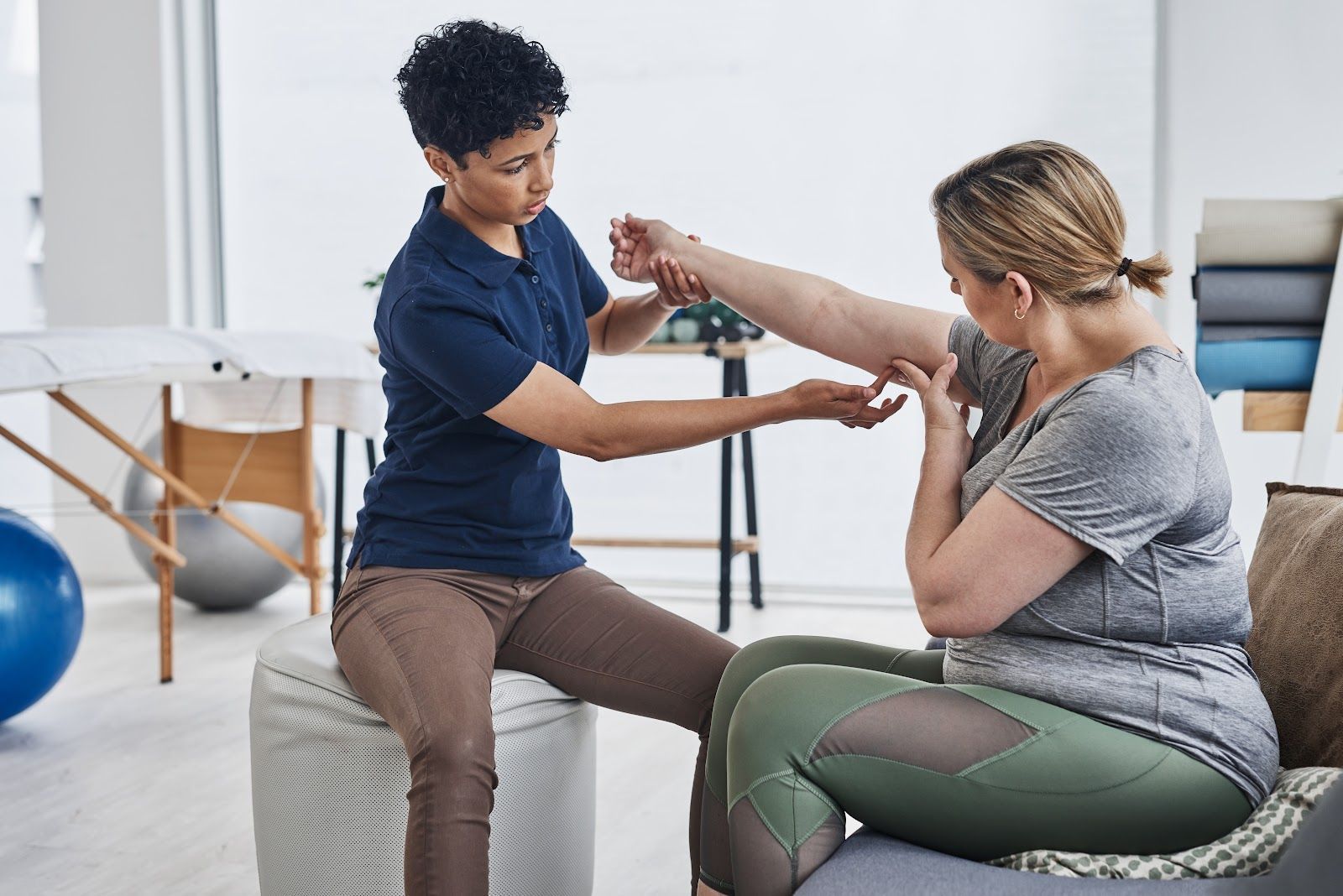
The best time to start isometric exercise depends on your specific injury and recovery plan. At Total Rehabilitation and Sports Injuries Clinic, our experienced physiotherapists conduct individualized assessments to determine when it’s safe to begin. Starting too soon or too aggressively can risk re-injury, so always follow guidance from a professional, particularly during the early stages of sports injury recovery, post-surgical rehab, or chronic pain management.
Top Isometric Exercises for Injury Recovery in Winnipeg
Here are some simple isometric exercises commonly recommended at our Winnipeg clinic:
- Quad Set: Press the back of your knee into the floor while tightening your thigh muscles. Hold for 10 seconds and release.
- Glute Bridge Hold: Squeeze your glutes and lift your hips off the ground, pausing at the top.
- Wall Sit: Sit against a wall with your knees bent at 90 degrees, keeping still.
- Shoulder Blade Squeeze: Pull your shoulder blades together and hold, perfect for upper body rehabilitation.
- Hand Press: Press your palms together in front of your chest to engage chest and arm muscles.
Performing these regularly, under professional supervision, can make all the difference in a smooth recovery process.
Summer Recovery: Getting Back to Your Activities
June is an excellent time to restart your favorite activities. Whether you’re eager for golf tournaments at Assiniboine Golf Club or strolls along the Riverwalk, isometric exercises can speed up your safe return to summer fun. At our centrally located Winnipeg clinic, we often see increased demand for rehabilitation and pain relief services during this season as people become more active outdoors.
Why Trust Total Rehabilitation and Sports Injuries Clinic?
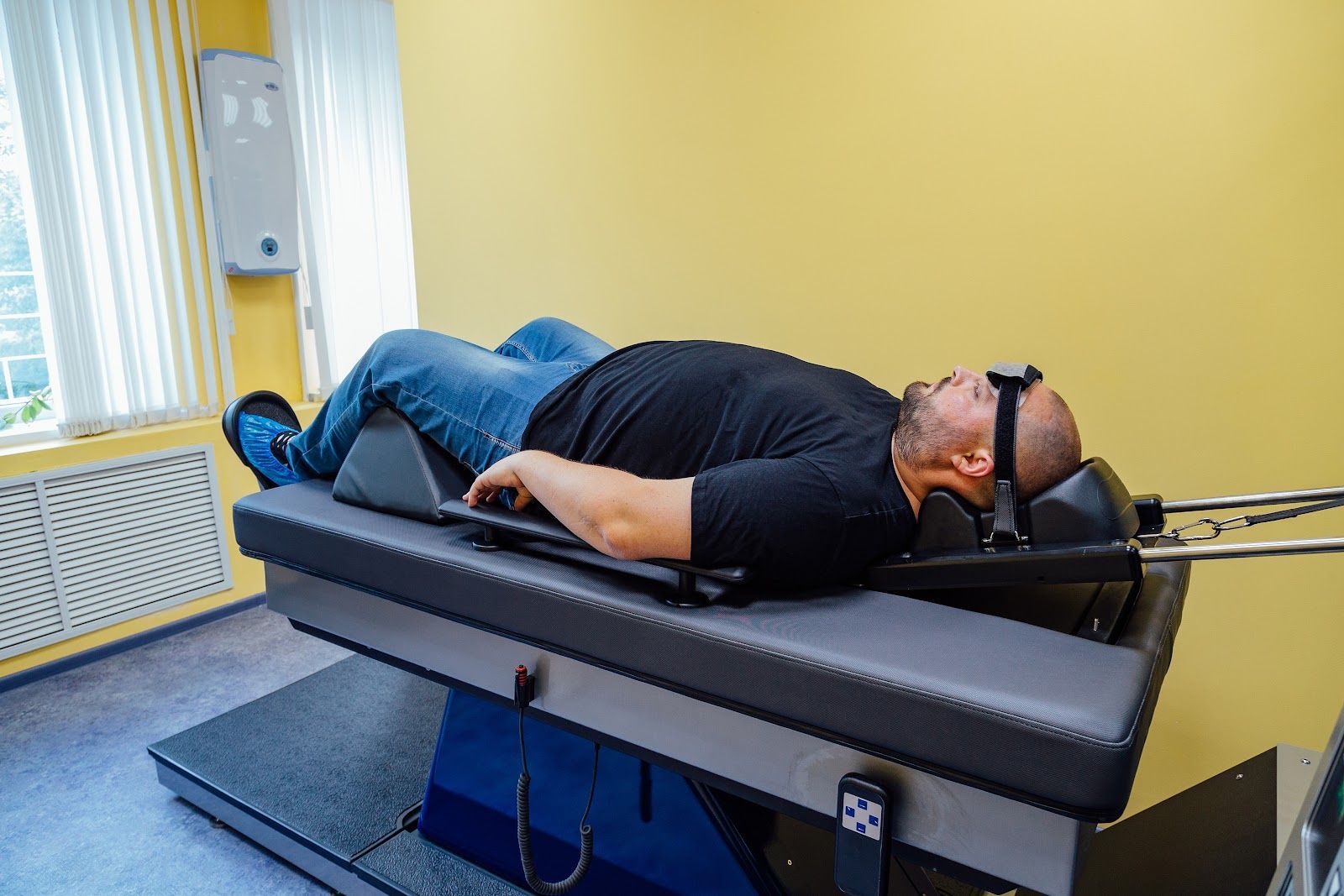
Our multidisciplinary team takes pride in providing patient-centered care tailored to your unique needs. We blend evidence-based physiotherapy, athletic therapy, and innovative techniques like manual therapy and acupuncture. With advanced equipment and a welcoming environment, we support Winnipeg residents striving for holistic wellness and effective rehabilitation.
Ready to Recover Faster and Stronger?
Don’t let injury keep you from enjoying an active life in Winnipeg this summer. Book an assessment at Total Rehabilitation and Sports Injuries Clinic to discover how a personalized, guided program featuring isometric exercise and other cutting-edge treatments can help you regain strength and confidence. Visit us at 301 Nassau St N or schedule your appointment online today. Your journey back to wellness starts here.
Share This Blog